Cessna 172RG Rear RH Baffle Assembly
Cessna 172RG Rear RH Baffle Assembly
Blog Article
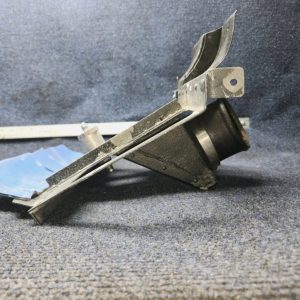
P/N 2455038-2 combines identifiable part-number information, rear right-hand positioning, cooling-air management, and maintenance value for the correct aircraft installation.
A Cessna 172RG Rear Right-Hand Baffle may also be described as a Cessna 172RG Engine Baffle or Cessna 172RG Cooling Baffle when the position and part number remain clear.
The Cessna Cutlass Engine Baffle and Aircraft Engine Baffle Assembly keywords help qualified buyers locate relevant replacement parts.
A Cessna 172RG Rear RH Baffle Assembly Cessna Engine Cooling Baffle, Cessna 172RG Engine Compartment Parts package, Aircraft Cooling Air Baffle, and Cessna 172RG Airflow Baffle contribute to controlling how cooling air moves around the installed engine.
A Cessna Aircraft Engine Baffle can form part of an Engine Cooling Baffle Assembly, while a Cessna Cutlass Cooling System Part must correspond with the installed aircraft and engine configuration.
Understanding P/N 2455038-2
The P/N 2455038-2 marking should be confirmed through stamped identification, labels, donor-aircraft records, packaging, photographs, and applicable Cessna parts information.
Any alternate number, superseded number, drawing reference, repair marking, or donor-aircraft serial number should remain connected with the component.
Understanding Cessna Engine Cooling Airflow
It works with adjacent metal baffles, flexible seals, cowling surfaces, fasteners, brackets, and engine components to form a coordinated cooling system.
Cooling performance depends on proper pressure differences, sealed boundaries, suitable airflow paths, and accurate baffle positioning.
Cessna 172RG and Cutlass Compatibility
Aircraft-specific verification helps prevent unsuitable substitution and expensive rework.
Mounting holes should not be enlarged or relocated casually to force alignment.
Understanding Formed Aluminum Cooling Panels
Formed contours help the baffle fit around the engine and connect with surrounding cooling-system components.
Professional handling protects the value of the Cessna Aircraft Engine Baffle.
Engine Baffle Condition Evaluation
A detailed inspection provides stronger evidence than a general good-condition description.
The assembly should be checked for evidence of engine vibration, cowling contact, exhaust heat, fluid contamination, impact, improper removal, and unsuitable storage.
Inspecting Engine Baffle Seals
Old seals may be useful as templates even when they are unsuitable for continued service.
Replacement seal material should correspond with the intended aircraft installation and suitable technical requirements.
Evaluating Corrosion on Cessna Baffles
Corrosion inspection should address exposed surfaces, overlapping joints, fastener areas, lower edges, brackets, and locations where moisture or contaminants can collect.
Oil, fuel, cleaning chemicals, battery residue, exhaust deposits, moisture, and salt exposure can affect engine-compartment sheet metal and protective finishes.
Crack and Fastener-Hole Inspection
Cracks often begin near holes, corners, bends, bracket ends, and areas affected by vibration or forced alignment.
Correct attachment practices support secure and maintainable baffle installation.
Managing Engine Baffle Parts Inventory
Organized inventory management supports a more efficient Cessna Cutlass maintenance project.
Damage can vary across components exposed to the same vibration, heat, accident, or storage environment.
Baffle-Related Temperature Problems
Unexpected engine temperatures should be investigated through a structured review of instrumentation, engine condition, airflow, baffles, seals, cowling, operation, and environmental factors.
Maintenance personnel should identify all relevant findings and correct them through appropriate procedures.
Cessna Baffle Repair Considerations
A localized defect may be repairable, while widespread cracking, severe corrosion, or distorted geometry may support replacement.
Unauthorized welding, oversized fasteners, excessive material removal, or uncontrolled bending can reduce suitability.
Buying P/N 2455038-2
Damaged or incomplete baffles may still have repair-candidate, restoration, pattern, or reference value when described accurately.
Accurate commercial information supports responsible Cessna 172RG Replacement Baffle transactions.
Rear RH Cooling Baffle Condition Checklist
The buyer should request enough information for qualified maintenance personnel to evaluate the component before purchase.
- Compare the baffle with applicable parts information, the removed component, surrounding panels, mounting locations, dimensions, brackets, seals, and cowling clearances.
- Arrange qualified evaluation whenever geometry, material loss, repair quality, or installation suitability remains uncertain.
- Require packaging that supports the baffle without bending flanges, crushing contours, damaging brackets, scratching finishes, or allowing loose hardware to strike the panel.
Aircraft Cooling Baffle Packaging
The baffle should be packaged with rigid support that protects thin sheet metal, formed flanges, brackets, mounting tabs, edges, seal retainers, and identification markings.
The storage area should remain clean, dry, secure, and protected from salt, chemicals, water leaks, impact, and temperature extremes.
Cessna Cutlass Cooling System Installation
Any mismatch should be investigated rather than corrected through uncontrolled force or modification.
Fastener holes should be inspected carefully, while hardware type, grip, spacing, and installation method should correspond with suitable technical data.
Ground-operation observations should be completed through suitable procedures without promising a specific temperature improvement.
Preventive Engine Baffle Maintenance
Cleaning should preserve evidence long enough for maintenance findings to be documented.
Seal material should remain flexible, correctly oriented, securely attached, and positioned against the intended cowling surfaces.
Final Thoughts on the Cessna Cutlass Baffle
The Cessna 172RG Rear RH Baffle Assembly
Aviation maintenance personnel should evaluate the assembly before repair, alteration, installation, or operational release.
Whether the project involves Cessna 172RG Engine Compartment Parts, an Aircraft Cooling Air Baffle, a Cessna 172RG Airflow Baffle, or a Cessna Aircraft Engine Baffle, every component should be inspected individually.
P/N 2455038-2 can deliver a professional combination of replacement value, cooling-system relevance, engine-compartment protection, and Cutlass application potential.
Report this page